Frequently Asked Questions
Socio-economic factors in a neighborhood significantly impact men's grooming product choices, as individuals with higher disposable incomes are more likely to invest in premium brands and specialty items such as organic beard oils, luxury shaving creams, and high-end skincare products. Conversely, those from lower socio-economic backgrounds may prioritize budget-friendly alternatives or multipurpose products that offer cost efficiency without compromising basic hygiene needs. Additionally, cultural influences prevalent within the community can shape preferences for specific grooming rituals or styles; for example, urban areas might see trends towards trendy hairstyles influenced by social media influencers and celebrity endorsements. Accessibility to retail outlets also plays a crucial role; neighborhoods lacking specialized salons or barbershops may limit exposure to niche products like artisanal pomades or eco-conscious grooming solutions. Thus, economic stability directly correlates with the diverse range of available options and personal grooming standards adopted by men within various communities.
Local culture significantly influences men's hairstyles and beard trends within various neighborhoods, reflecting the unique socio-economic dynamics, historical contexts, and community values inherent in each area. In urban environments where cultural diversity thrives, one can observe a blend of traditional grooming practices alongside contemporary styles; for instance, barbershops often serve as communal hubs where men exchange ideas about fashion-forward cuts like fades or undercuts while embracing ethnic hairstyles that honor heritage. Neighborhoods with strong artistic scenes may see avant-garde expressions through vibrant hair colors or intricate designs etched into beards or buzzed sides. Conversely, conservative areas might favor classic styles such as well-groomed mustaches or neatly trimmed beards that convey professionalism and respectability. Furthermore, local events like music festivals or street fairs often catalyze temporary shifts towards experimental looks driven by subcultural movements—such as hip-hop influences promoting longer locks adorned with accessories—or retro inspirations from vintage aesthetics revitalizing pompadours among younger generations. Ultimately, these localized hairstyle preferences not only mirror individual identity but also foster a sense of belonging intertwined with the broader narrative of neighborhood identity formation.
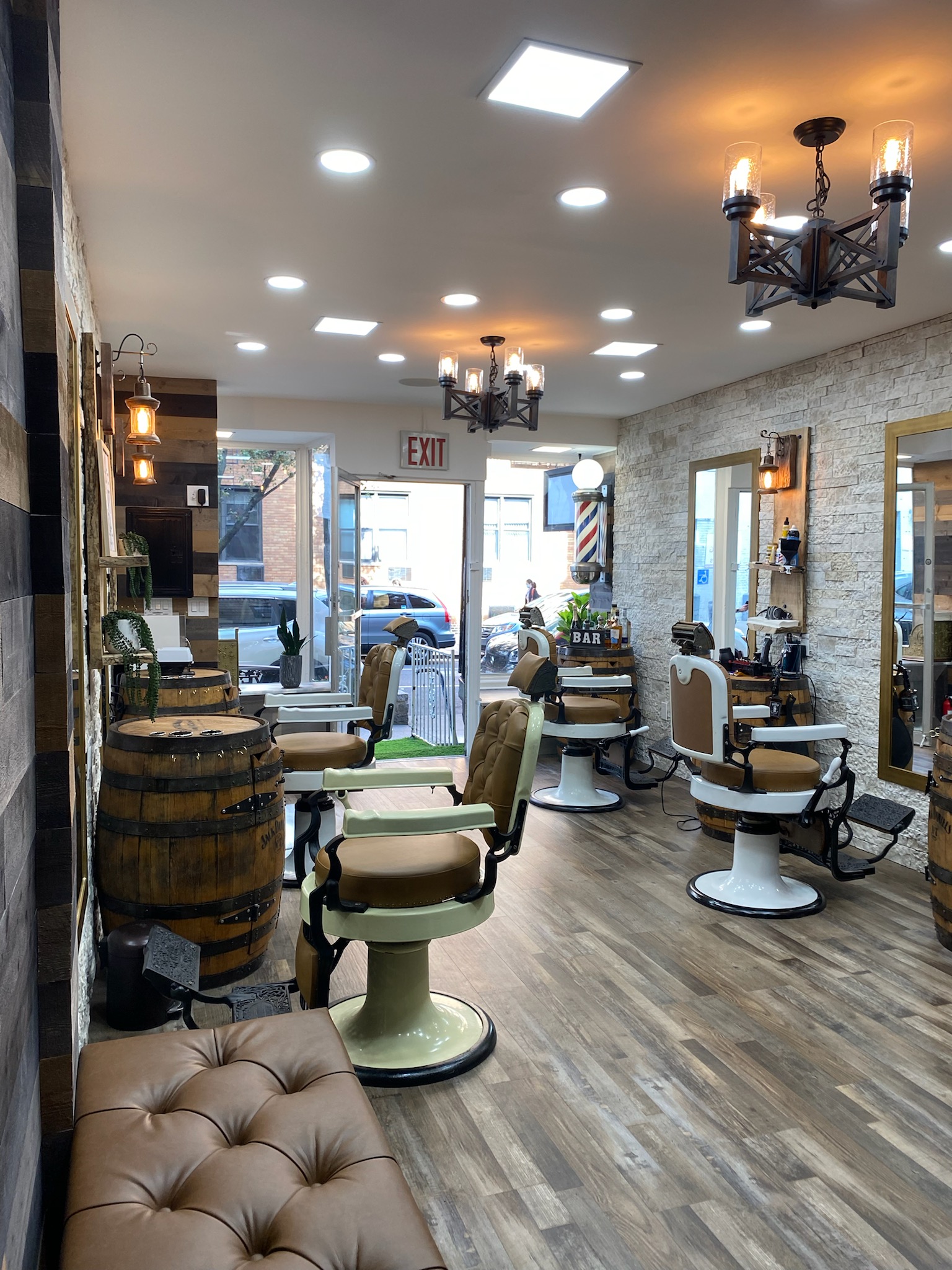
The presence of barbershops and salons in a community significantly influences men's grooming habits and preferences by providing accessible spaces for personal care, style education, and social interaction. With the availability of skilled barbers offering diverse services such as precision haircuts, beard trims, hot towel shaves, and scalp treatments, men are more likely to adopt regular grooming routines that reflect contemporary trends like fades or pompadours. Additionally, these establishments often create environments that foster camaraderie among patrons while showcasing products tailored for male skincare and hairstyling needs—such as pomades, waxes, oils—and introducing them to advanced techniques like styling with high-quality tools. As a result of this vibrant ecosystem within the community's barbering culture, men become more engaged in their appearance choices and develop personalized styles that resonate with both individual identity and collective fashion movements.
Peer influences within specific neighborhoods significantly shape men's decisions regarding skincare routines by creating a social environment where certain grooming practices are normalized or stigmatized. In communities where there is an emphasis on personal aesthetics, men may be more inclined to adopt comprehensive skincare regimens that include cleansing, exfoliating, and moisturizing products tailored for their skin types. Conversely, in neighborhoods where traditional masculine ideals dominate and skincare is perceived as unnecessary or overly indulgent, men might eschew such practices altogether. The presence of role models who prioritize skin health can also encourage peers to explore treatments like anti-aging serums or sun protection strategies that enhance overall appearance while fostering confidence. Social gatherings and local trends further reinforce these behaviors; discussions about dermatological concerns often lead men to seek advice on the latest innovations in male grooming products available at nearby retailers. Thus, neighborhood dynamics play a crucial role in influencing not just individual choices but also collective attitudes towards masculinity and self-care rituals among men living in those areas.
Urban and suburban environments can significantly shape men's grooming attitudes due to factors such as cultural diversity, social norms, and lifestyle dynamics. In urban settings, characterized by their fast-paced lifestyles and a melting pot of influences, men may adopt more avant-garde grooming practices like intricate hairstyles or bold facial hair choices that reflect personal identity and fashion trends promoted by influential media outlets. The availability of specialized grooming services—such as barbershops offering bespoke shaving experiences or salons focusing on high-end skincare—fosters an environment where meticulous self-presentation is not only encouraged but expected. Conversely, in suburban locales where community cohesion often thrives within traditional values, men might gravitate towards simpler grooming regimens emphasizing practicality over trendiness; they may prioritize functionality with straightforward haircuts or clean-shaven looks that align with local expectations for professionalism and conservatism. Additionally, the influence of peer groups varies greatly between these environments: urban males could be motivated by a competitive desire to stand out in diverse social circles while suburban counterparts might conform more closely to established male stereotypes reflecting regional sensibilities regarding masculinity and appearance standards.